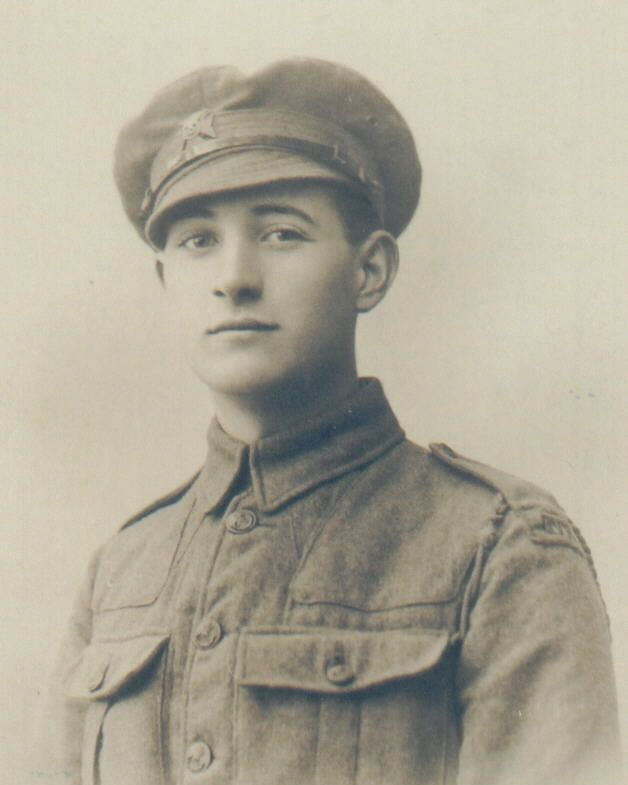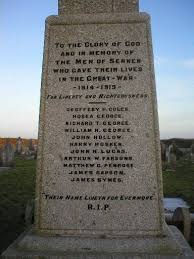


Private Joseph Forster – 9th Battalion Yorkshire Regiment
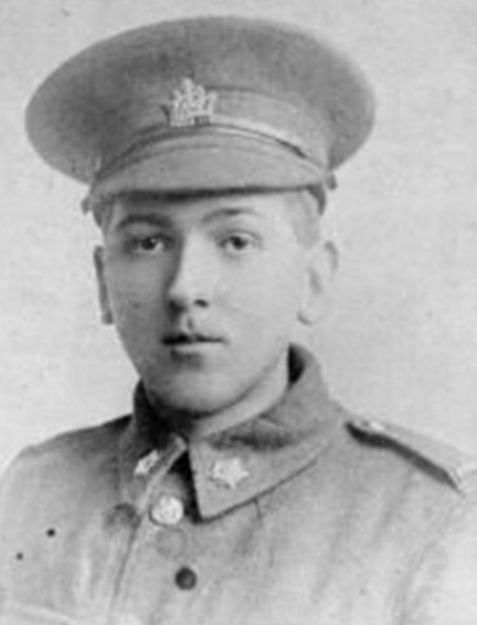
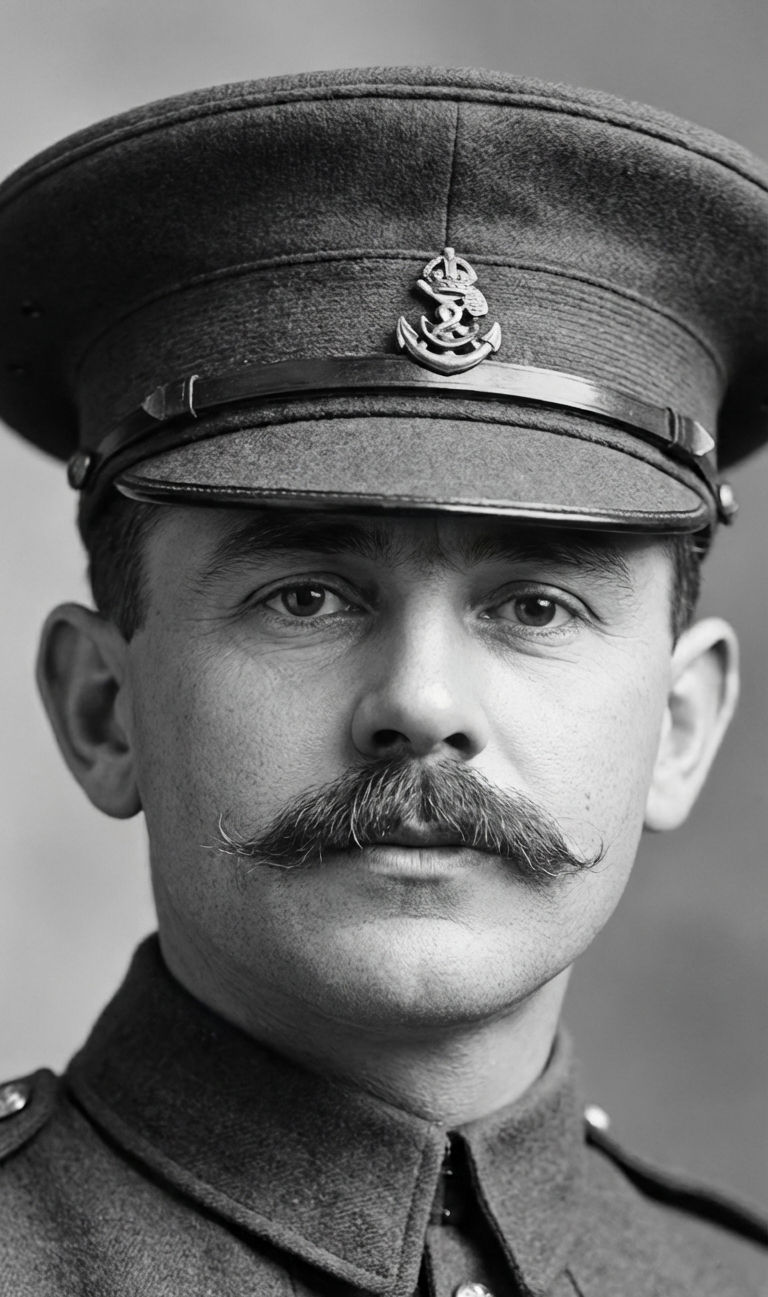
Joseph was born in Shankhouse, Northumberland. Despite being too old at forty-two he enlisted in North Shields. His eldest daughter Martha helped by altering his birth certificate to show that he was thirty-two. He went to France in 1915 and was killed in action on 7th October 1916. He left a wife and six children. He is commemorated on the Thiepval Memorial. Before the war he was a right half reserve player with Newcastle United.
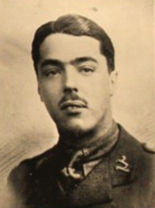
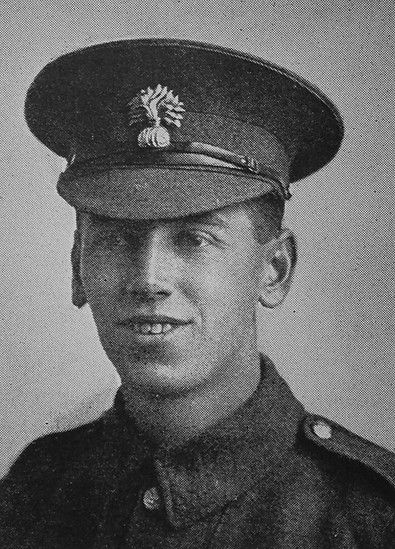
Second Lieutenant Lewis Neil Gritt Ramsay – 3rd Reserve Battalion (att 2nd Battalion) Gordon Highlanders
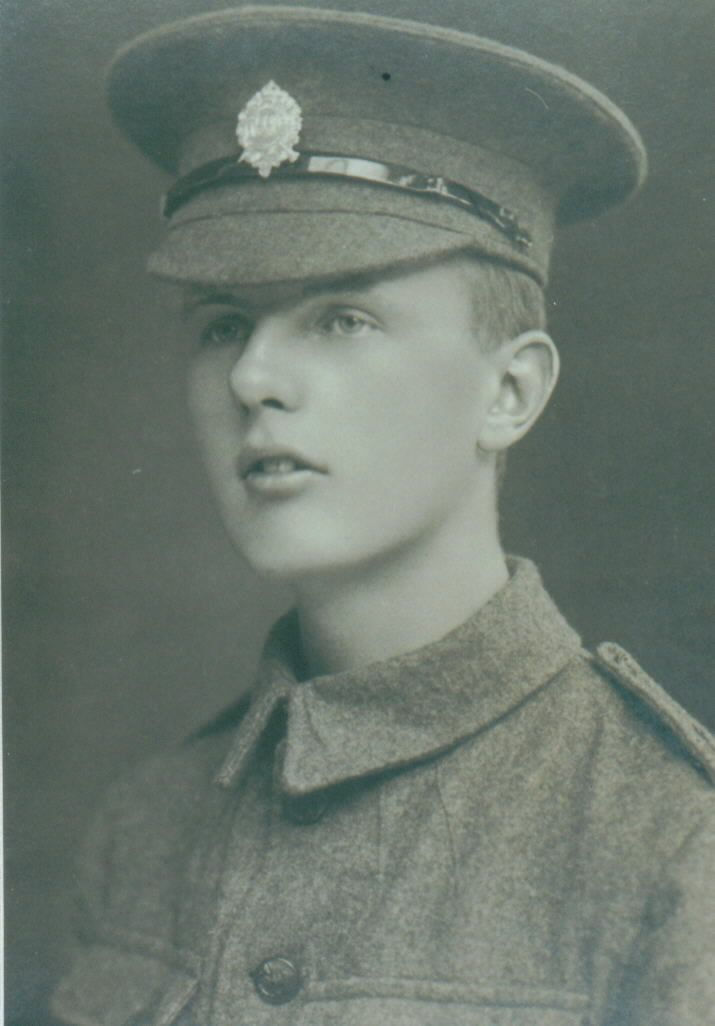
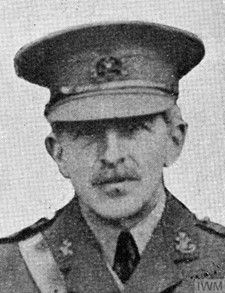
Lewis was born in Aberdeen on 2nd February 1890. He was the son of Sir William Mitchell Ramsay and Lady Ramsay. He ran long distance and swam for Aberdeen University and played hockey in the town. An academic, receiving a special distinction for his Botany M.A., Lewis was well travelled and had his own collections of mammals, insects and botanical specimens, particularly from Asia Minor.
On 21st March 1915, while in the front line, a shell destroyed part of the trench. Alerted to this, he was quick to attend the wounded and to direct the repair of the trench. It was while doing this, adding sandbags to the parapet, that he was shot through the head by a sniper.

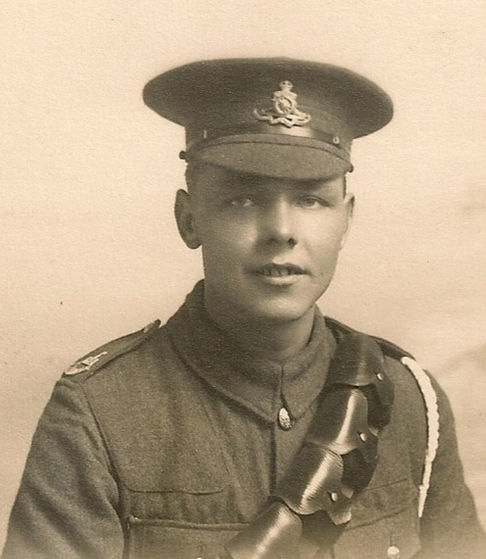
Lieutenant - Colonel John McCrae - 1st Brigade CFA Canadian Army Medical Corps
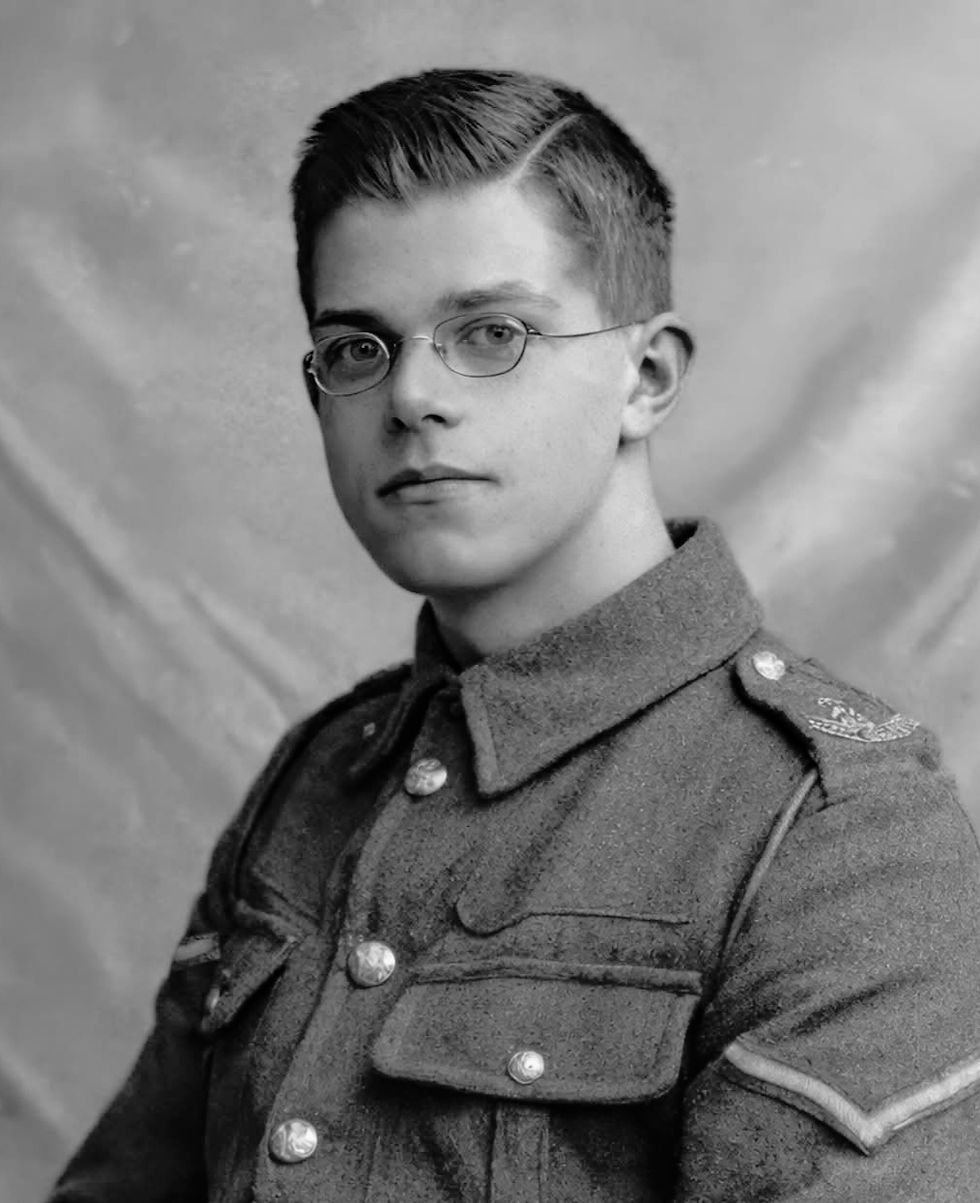
John was born in Guelph, Ontario on 30th November 1882. He studied medicine at the University of Toronto and graduated in 1898. Before the war he volunteered with the Guelph Field Artillery and served in South Africa during the Second Boer War. In 1901 he was promoted to the rank of Captain in the Canadian Field Artillery. When the First World War began John volunteered for active service on the Western Front. He wrote to a friend, "I am really rather afraid, but more afraid to stay at home with my conscience". He was appointed as Medical Officer and Major of the 1st Brigade, Canadian Field Artillery.
He treated the wounded during the Second Battle of Ypres in 1915, from a hastily dug 8-by-8-foot (2.4 m × 2.4 m) bunker in the back of the dyke along the Yser Canal about 2 miles north of Ypres. McCrae's friend and former militia member, Lt. Alexis Helmer, was killed in the battle, and his burial inspired the poem, "In Flanders Fields", which was written on May 3, 1915.
On January 28, 1918, while still commanding No. 3 Canadian General Hospital (McGill) at Boulogne, McCrae died of pneumonia with "extensive pneumococcus meningitis.
In Flanders Fields
In Flanders Fields, the poppies blow
Between the crosses, row on row,
That mark our place; and in the sky
The larks, still bravely singing, fly
Scarce heard amid the guns below.
We are the dead, short days ago
We lived, felt dawn, saw sunset glow,
Loved and were loved, and now we lie
In Flanders fields.
Take up our quarrel with the foe:
To you from failing hands we throw
The torch; be yours to hold it high.
If ye break faith with us who die
We shall not sleep, though poppies grow
In Flanders fields.
John McCrae


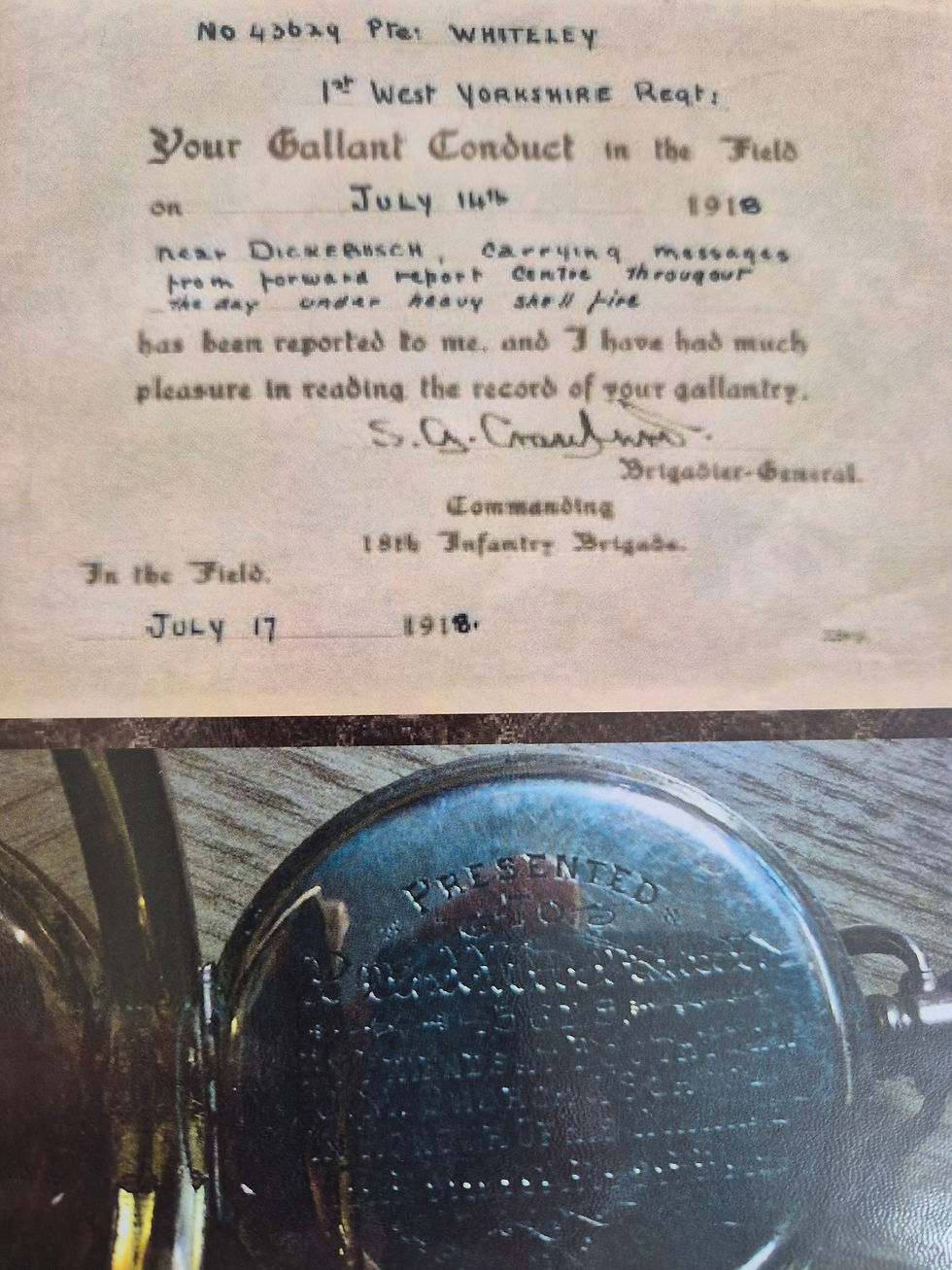
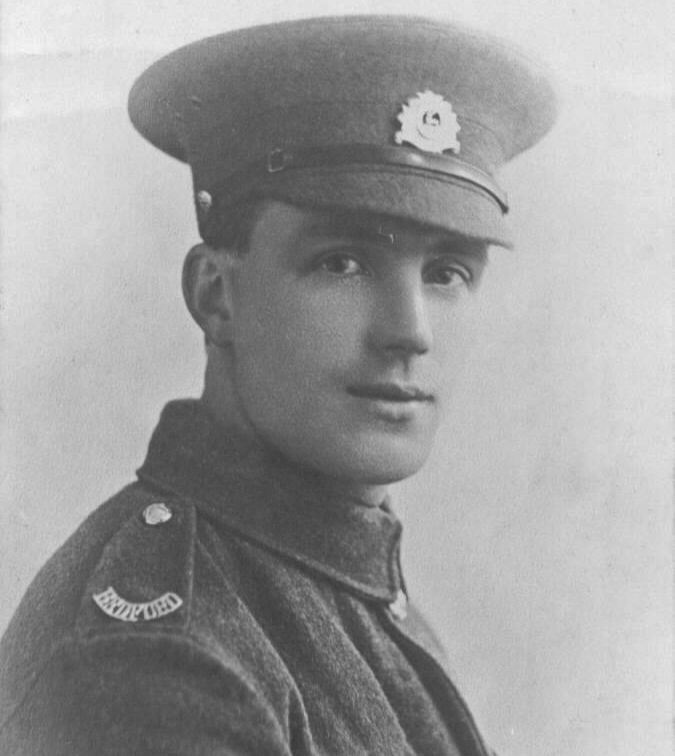
Private John Whiteley - 1st Battalion West Yorkshire Regiment
John was serving on the Western Front near Dickebusch , Belgium with the West Yorkshire Regiment when he was awarded the Military Medal for Gallant Conduct in the Field.
On 14th July 1918 he carried messages to a forward report centre throughout the day under heavy shell fire. On this day the battalion carried out a highly succesful attack, recapturing Ridgewood and Elzenwalle and capturing over 300 German prisoners at very little cost.
In addition to the Military Medal he was presented with an engraved pocket watch by members of his local community in grateful thanks for the acts he carried out on that day.

Private James Miller VC - 7th Battalion King's Own Royal Lancaster Regiment
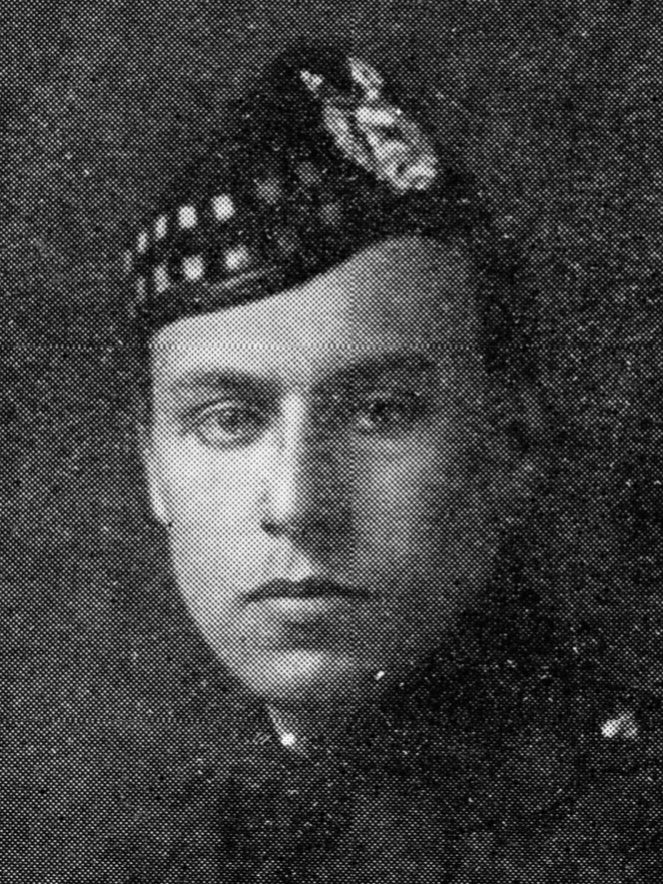
James was born in Hoghton. Lancashire in 1890 and before the was worked in the local paper mill. At the outbreak of the war he enlisted in the army and was sent to France. During the Battle of the Somme, one of the bloodiest battles of the conflict, his unit took enemy positions, but the number of casualties meant they needed reinforcements to hold the ground they had gained. He was selected to deliver a request to the adjacent company and told to bring back a reply 'at all costs'. His actions meant that reinforcements arrived, saving the lives of his comrades. He was compelled to cross the open, and on leaving the trench was shot almost immediately in the back, the bullet coming through his abdomen. In spite of this, with heroic courage and self-sacrifice, he compressed the gaping wound in his abdomen, delivered his message, staggered back with his answer, and fell dead at the feet of the officer to whom he delivered it. He gave his life with a supreme devotion to duty. Following his death he was awarded the Victoria Cross.


Lance Corporal Allan Leonard Lewis VC – 6th Battalion Northamptonshire Regiment
Allan was born in Whitney on Wye in 1895. Before the war he worked as a bus driver for Great Western Railways before enlisting in the Royal Army Service Corps. Early in 1918 he contracted jaundice and once recovered returned to serve in the 6th Battalion Northamptonshire Regiment. On 19th September 1918 he would receive the Victoria Cross for his action at Ronssoy when he singlehandedly put two enemy machine guns out of action allowing his men to advance. Sadly, he would not live to receive his VC as he was killed a few days later attempting to get his men under cover from heavy fire. A statue of Allan Lewis now stands in his honour at Hereford Old Market.
Private Alfred Dutton - 20th Battalion King's (Liverpool) Regiment
Alfred was born in 1883 in Runcorn. Before the war he was a general labourer and he enlisted in Liverpool on 10th November 1914 in the 20th Battalion King's (LIverpool) Regiment. He had previously served in the 5th Battalion Cheshire Regiment and he was sent to France arriving on 7th November 1915. He had been promoted to the rank of Lance Corporal , but requested returning to the rank of private on reaching France.
Alfred was killed in action on 20th October 1916 during the Battle of Transloy Ridge during the ongoing Somme offensive. He is remembered on the Thiepval Memorial.